As cryptocurrency mining continues to scale globally, efficiency and thermal management have become defining factors in profitability. Traditional air-cooled mining setups are increasingly strained by higher hash rates, denser deployments, and rising energy costs. This is where ASIC miner liquid cooling is rapidly emerging as a game-changing solution.
From liquid cooled ASIC miners to advanced liquid cooling for ASIC miners in industrial data centers, this technology is reshaping how modern mining operations are designed, operated, and optimized.
Why Cooling Matters in ASIC Mining
ASIC (Application-Specific Integrated Circuit) miners are purpose-built machines engineered to deliver maximum hash power. However, higher performance inevitably means higher heat output. Excess heat leads to:
Reduced mining efficiency
Frequent hardware throttling
Shortened equipment lifespan
Increased downtime and maintenance costs
Air cooling—fans, heat sinks, and ventilation—has long been the industry standard. Yet as miners push beyond 5–10 kW per unit, air cooling becomes inefficient, noisy, and expensive.
Liquid cooling for ASIC miners directly addresses these limitations, offering superior heat transfer and enabling stable operation at higher power densities.
What Is ASIC Miner Liquid Cooling?
ASIC miner liquid cooling uses a liquid medium—typically water or dielectric fluid—to absorb and remove heat from mining hardware. Compared to air, liquids have significantly higher thermal conductivity, allowing heat to be transferred faster and more efficiently.
There are two primary approaches:
1. Direct Liquid Cooling (DLC)
Cold plates are mounted directly onto heat-producing components such as ASIC chips. Coolant circulates through a closed loop, carrying heat away to a heat exchanger.
Key advantages:
Precise temperature control
Lower coolant volume
Compatibility with existing data center infrastructure
2. Immersion Cooling
Entire ASIC miners are submerged in a non-conductive dielectric liquid. Heat dissipates directly into the fluid, which is then cooled and recirculated.
Key advantages:
Eliminates fans entirely
Extremely uniform cooling
Ideal for ultra-high-density mining farms
Both methods are widely adopted in modern liquid cooled ASIC miner deployments, depending on scale, budget, and operational goals.
Benefits of Liquid Cooled ASIC Miners
Higher Hash Rate and Overclocking Potential
With stable and lower chip temperatures, miners can safely run at higher frequencies. Many operators report 10–30% performance gains when switching to liquid cooling.
2. Reduced Energy Consumption
Liquid cooling significantly lowers the need for high-power fans and massive HVAC systems. This improves overall Power Usage Effectiveness (PUE) and reduces electricity costs—one of the biggest expenses in mining.
Longer Hardware Lifespan
Consistent temperatures reduce thermal stress on components, minimizing failure rates and extending ASIC miner service life.
Noise Reduction
Liquid cooled ASIC miners operate almost silently compared to fan-driven air-cooled rigs. This opens opportunities for deployment in urban or mixed-use environments where noise restrictions apply.
Higher Rack Density
By removing airflow constraints, liquid cooling allows miners to be packed more densely. This is especially valuable in space-constrained facilities or regions with high real estate costs.
Real-World Mining Scenarios
Industrial Mining Farms
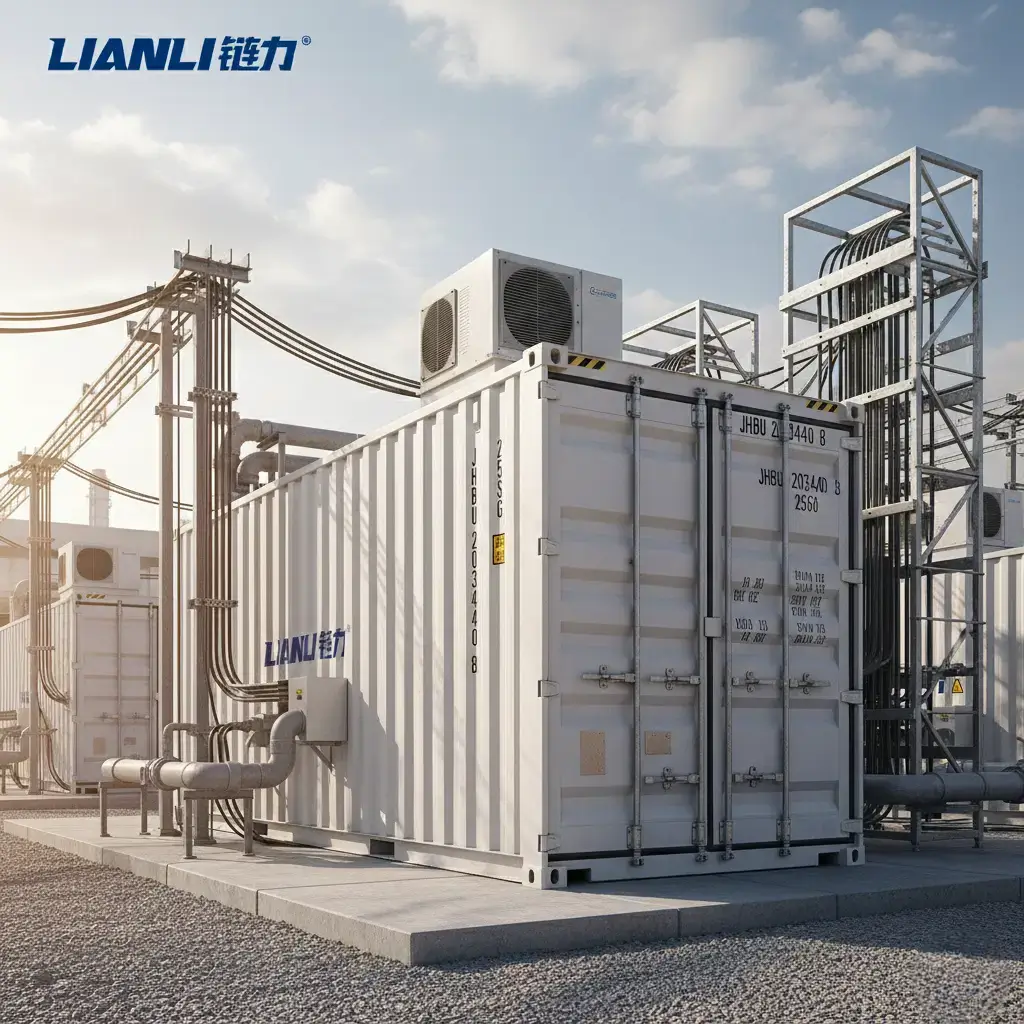
Large-scale mining operations are rapidly transitioning to liquid cooling to support megawatt-level deployments. Direct liquid cooling systems integrate seamlessly with modular data center designs and can reuse waste heat for district heating or industrial processes.
High-Temperature Regions
In hot climates, air cooling struggles to maintain safe operating temperatures. Liquid cooling for ASIC miners ensures stable performance regardless of ambient conditions, reducing reliance on expensive air conditioning.
ESG-Focused Operations
Sustainability is becoming a competitive differentiator. Liquid cooling enables heat reuse, water-free cooling loops, and lower carbon footprints—key considerations for environmentally conscious mining projects.
Challenges and Considerations
While the advantages are compelling, ASIC miner liquid cooling requires careful planning:
Initial Investment: Liquid cooling systems have higher upfront costs than air cooling, though ROI is often achieved through energy savings and higher output.
System Design: Proper coolant selection, leak prevention, and redundancy are critical.
Maintenance Expertise: Operators must understand fluid management, filtration, and monitoring.
Partnering with experienced liquid cooling solution providers can significantly reduce these risks and ensure long-term reliability.
Choosing the Right Liquid Cooling Solution
When evaluating liquid cooling for ASIC miners, consider:
Miner power density (kW per unit)
Facility scale and expansion plans
Local climate and electricity pricing
Integration with existing infrastructure
Compliance with international safety and quality standards
High-quality systems typically feature independently developed cold plates, precision manifolds, leak-proof connectors, and certifications such as CE, UL, and RoHS, ensuring both performance and safety.
The Future of Liquid Cooled ASIC Mining
As mining difficulty increases and margins tighten, efficiency is no longer optional—it’s essential. Liquid cooling is quickly becoming the new standard for professional mining operations, much like it has in high-performance computing and AI data centers.
Future innovations will likely focus on:
AI-driven thermal optimization
Modular plug-and-play liquid cooled ASIC miners
Advanced heat recovery and reuse systems
For miners looking to stay competitive, ASIC miner liquid cooling is not just an upgrade—it’s a strategic advantage.
Conclusion
From boosting hash rates to reducing operational costs, liquid cooled ASIC miners represent a major leap forward in crypto mining technology. Whether through direct liquid cooling or full immersion systems, liquid cooling for ASIC miners delivers the performance, reliability, and scalability required in today’s demanding mining landscape.
As the industry evolves, those who invest early in efficient thermal management will be best positioned to thrive in the next phase of global cryptocurrency mining.