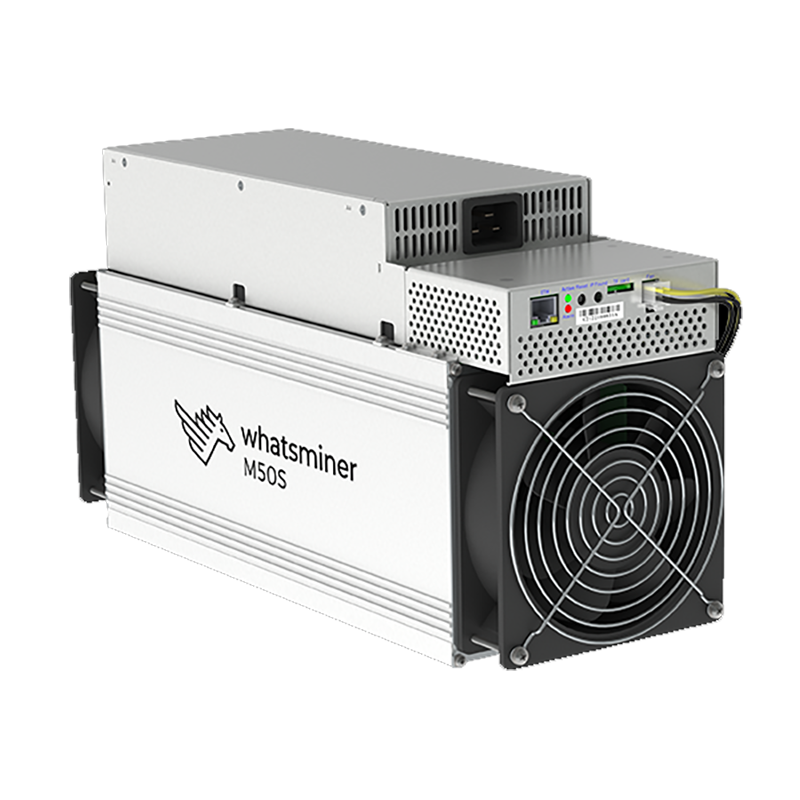
Bitcoin mining is the decentralized process that secures the Bitcoin network and issues new coins by having miners solve cryptographic puzzles. Today that work is performed almost exclusively by specialized hardware called ASICs (application-specific integrated circuits).
Choose the right miner (ASICs are the standard)
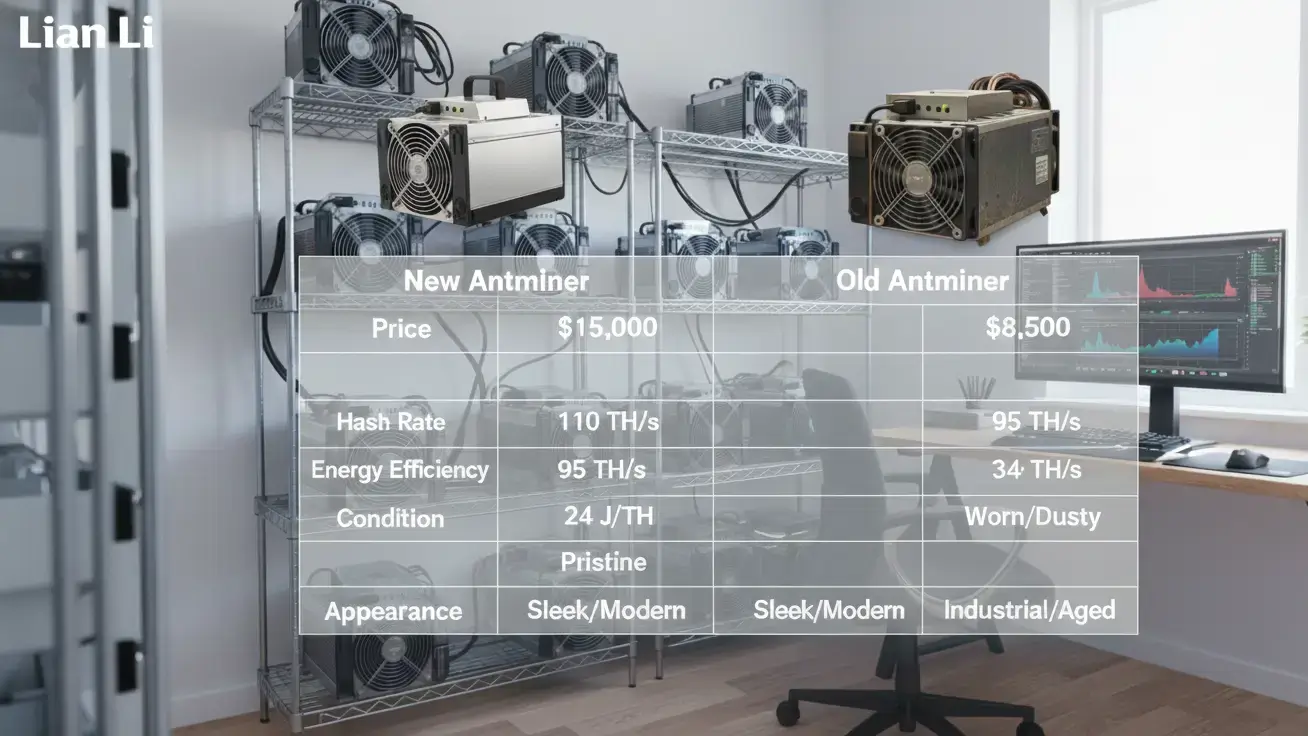
Modern Bitcoin mining requires ASICs — purpose-built machines with a huge advantage in hash power and energy efficiency over consumer hardware. When picking your first miner prioritize: hashrate, power consumption (J/TH), and price. Popular beginner options in 2025 include models in Bitmain’s S21 family and comparable miners from Canaan and MicroBT; these balance performance and energy use for home or small-scale setups.
Prep the space: power, ventilation, and networking
Before powering up, make sure you have:
A dedicated, well-ventilated space (garage, basement, or ventilated closet). ASICs run hot and loud — up to ~75–76 dBA for many models — and need airflow.
Sufficient electrical capacity: many ASICs use 3,000–4,000 W. Confirm your circuits and breakers can handle continuous loads and use proper surge protection.
Stable internet: mining uses little bandwidth but needs a reliable Ethernet connection to avoid downtime.
Unbox and inspect the hardware
Check the miner, power-supply unit (PSU), and cables for damage. Identify the miner’s Ethernet port, power connectors, fan orientation, and control board (the miner dashboard is usually accessible via a local IP). Reading the manual for model-specific instructions prevents costly mistakes.
Step-by-step setup
Place the miner on a flat, ventilated surface with space around intake and exhaust fans.
Connect the PSU: attach all required power leads to the miner’s hash boards, then plug the PSU into a proper outlet. Double-check voltage and current ratings.
Ethernet first: plug an Ethernet cable into the miner and your router or switch (avoid Wi-Fi).
Power on and listen for fans/spin-up. Find the miner’s IP via your router or an IP-scanner.
Open the dashboard in a browser, log in (defaults in the manual), and enter pool settings (pool URL, worker name, password). Save and reboot.
Mining software & remote monitoring
Many ASICs have built-in dashboards; others pair with management software (CGMiner, BFGMiner, Awesome Miner) for extra features like fan control and monitoring multiple units. Always download software from official sources and keep firmware up to date. Use phone or cloud monitoring to watch hashrate, temperature, and accepted shares.
Pool vs. solo mining — what beginners should know
Solo mining gives the full block reward if you find a block — but the odds with a single home ASIC are vanishingly small in 2025.
Pool mining pools your hashpower with others for steady, proportional payouts (most pools charge ~1–2% fees). For most newcomers, a reputable pool delivers consistent, smaller payouts instead of a rare large windfall.
Profitability: calculate before you buy
Mining economics depend on hash rate, power draw, electricity cost, network difficulty, and BTC price. Use online calculators (e.g., CoinWarz) and conservative assumptions for electricity and downtime. Factor in the miner’s cost, shipping, and any hosting fees to estimate realistic ROI. Expert guides also recommend stress-testing scenarios (price drops, difficulty increases).
Maintenance, safety, and best practices
Keep dust-free: clean fans and vents regularly.
Monitor temps: sustained high temperatures reduce chip lifespan.
Electrical safety: avoid overloading household circuits. Consider a licensed electrician for high-power setups.
Security: use strong passwords on miner dashboards and avoid exposing the dashboard to the public internet.
Tip:
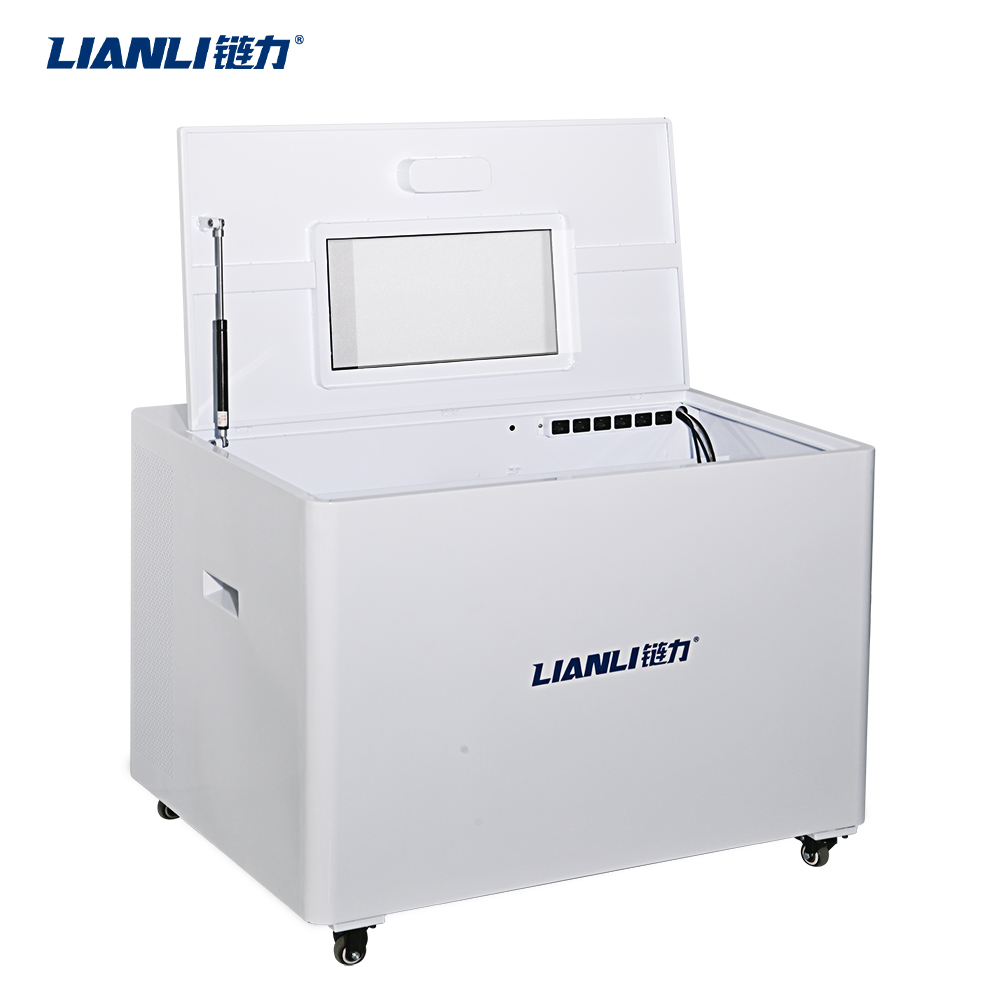
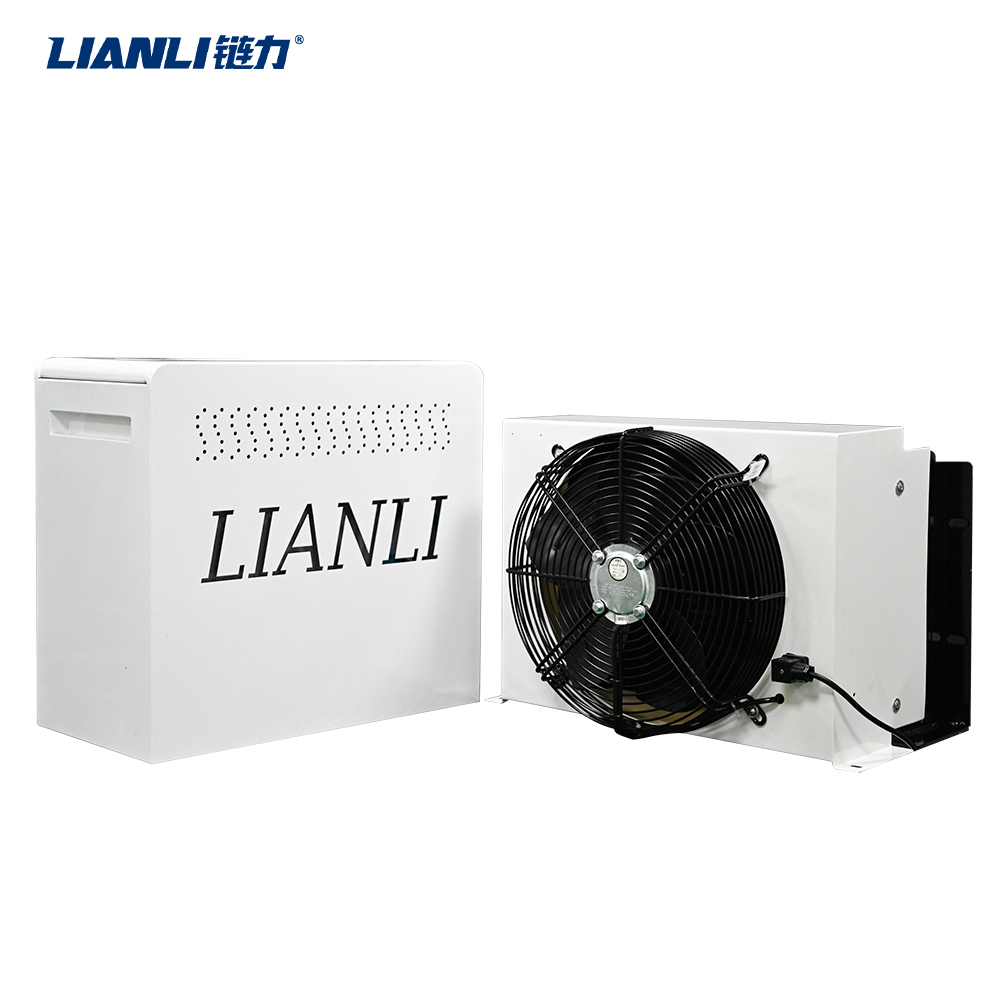
Cryptocurrency mining needs more than just high-quality ASIC rigs — effective thermal management is crucial. Many miners pair their hardware with advanced liquid-cooling or immersion-cooling solutions (Lian Li makes systems compatible with mainstream mining rigs) to lower temperatures, reduce noise, and improve long-term efficiency — whether you’re running a large farm or a compact home setup.