In an era where data generation is exploding and AI workloads demand instant scalability, traditional brick-and-mortar data centers are struggling to keep pace. Enter the container data center — a revolutionary approach that packages an entire high-performance data center inside standard ISO shipping containers. Also known as data center containers or modular containerized data centers, these self-contained units are changing how enterprises, cloud providers, telecom operators, and even governments deploy computing power.
What Exactly Is a Container Data Center?
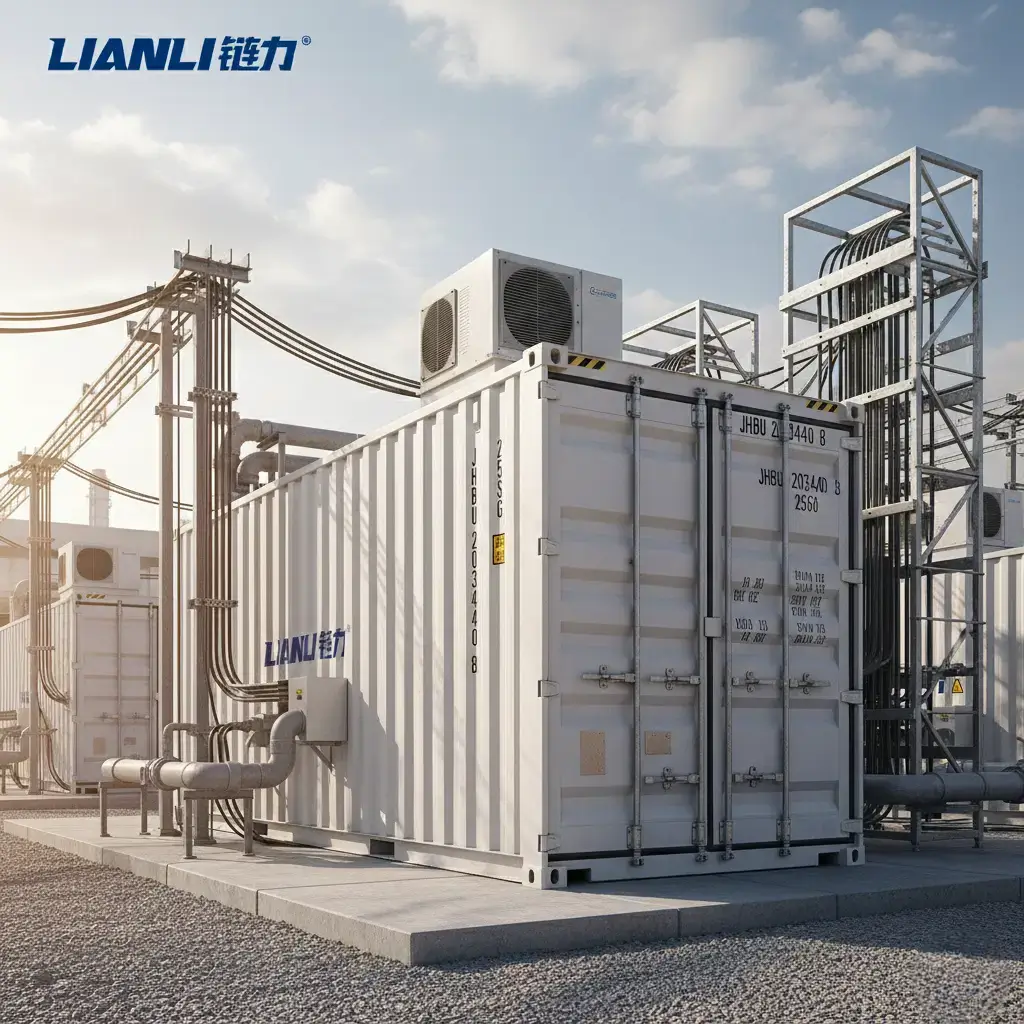
A container data center is a fully functional data center built inside a standardized 20-foot or 40-foot shipping container (or high-cube variants). Everything you expect from a traditional facility — servers, storage, networking gear, cooling systems, power distribution, fire suppression, and physical security — is pre-installed, pre-tested, and ready to deploy.
Unlike conventional raised-floor data centers that can take 18–36 months to build, a container data center can be ordered, delivered, and brought online in weeks. Once on site, you simply connect power, water (for cooling), and fiber — and you’re live.
Key components typically found inside a modern data center container:
- High-density IT racks (up to 50 kW or more per container)
- Hot-aisle or cold-aisle containment
- In-row or rear-door cooling (air or liquid)
- Integrated UPS and backup generators
- Advanced fire detection and suppression (e.g., Novec 1230 or inert gas)
- Remote monitoring and DCIM software
- Redundant power feeds and N+1 or 2N configurations
Why Container Data Centers Are Exploding in Popularity
1. Speed of Deployment
The single biggest advantage is time-to-market. Companies like Microsoft, Google, and AWS have deployed thousands of containerized units to expand capacity almost overnight. For edge computing, disaster recovery, or temporary events (Olympics, military operations, mining camps), nothing beats a data center container that can be shipped anywhere in the world.
2. Scalability on Demand
Need 500 kW today and 5 MW next year? Just order more containers. This “pay-as-you-grow” model eliminates massive upfront capital expenditure and future-proofs your infrastructure.
3. Portability and Mobility
Container data centers can be relocated with minimal downtime. Oil & gas companies use them in remote Arctic or desert locations. Telecom operators drop them next to 5G towers for ultra-low latency edge processing. Even humanitarian organizations deploy them after natural disasters.
4. Lower Total Cost of Ownership (TCO)
Although the per-kW upfront cost can be higher than traditional builds, the overall TCO is often 30–50 % lower because of:
- Reduced construction time and permitting headaches
- Factory-built quality control (fewer on-site errors)
- Energy-efficient designs (PUE as low as 1.05–1.15 with liquid cooling)
- Standardized maintenance and spare parts
5. Sustainability and Energy Efficiency
Many modern container data centers support direct-to-chip liquid cooling, immersion cooling, or free-air cooling, dramatically cutting energy use. Some vendors now offer carbon-neutral designs powered by renewable microgrids and battery storage.
Real-World Use Cases
- Hyperscalers: Microsoft’s Project Natick submerged container data centers underwater off Scotland to leverage natural cooling (and proved the concept works).
- Edge Computing: Verizon, AT&T, and European telcos deploy data center containers at the base of cell towers to support real-time 5G and IoT applications.
- Military & Government: The U.S. Department of Defense uses ruggedized, EMC-hardened container data centers that can be airlifted into theater.
- Temporary & Events: FIFA World Cup, Formula 1, and the Super Bowl rely on containerized infrastructure that disappears the day after the event.
- Disaster Recovery: Banks and insurance companies keep “dark” containers ready to ship and activate within 24 hours of an outage.
Leading Vendors in the Container Data Center Space (2025)
- Schneider Electric (EcoStruxure Modular Data Centers)
- Vertiv (SmartMod, Power Module)
- Huawei (FusionModule 5000)
- Dell Technologies (Modular Data Center)
- HPE (with the HPE Modular Data Center)
- Cisco & Flexential partnerships
- Specialist players: BladeRoom, Cuperta, Baselayer, Delta Electronics
Many vendors now offer Tier III or Tier IV certified containers, meaning they meet the same uptime standards as traditional facilities.
Things to Consider Before Buying or Leasing a Data Center Container
- Power Density: Standard containers top out around 25–35 kW. High-density AI/HPC versions can exceed 100–200 kW with liquid cooling.
- Cooling Type: Air-cooled is simpler but limited in hot climates. Direct liquid or immersion cooling is becoming the standard for AI workloads.
- Location & Permits: Even though it’s a container, many jurisdictions still require zoning approval, noise studies, and environmental impact reports.
- Connectivity: Ensure dark fiber or high-bandwidth microwave/satellite is available at the deployment site.
- Security: Look for ballistic-rated options (military) or integrated biometric + CCTV packages.
- Service & Support: 24/7 remote hands and global spare-parts logistics are critical.
The Future: AI-Optimized Container Data Centers
By late 2025, we’re already seeing the first wave of GPU-heavy, liquid-cooled containers designed specifically for large language models and generative AI training/inference at the edge. Companies like NVIDIA and Supermicro are partnering with modular builders to deliver containers that can house hundreds of H100/H200/B100 GPUs with over 500 kW of compute in a single 40-foot box.
These next-generation units often ship with integrated high-voltage DC power, immersion cooling tanks, and robotic rack maintenance arms — essentially mini AI factories you can drop anywhere on the planet.
Conclusion
The container data center is no longer a niche or “temporary” solution — it has become a strategic mainstream option for any organization that values speed, flexibility, and efficiency. Whether you’re a Fortune 500 enterprise expanding cloud regions, a telco rolling out 5G edge nodes, or a research institute needing immediate HPC capacity, the data center container offers a compelling answer.
In a world that moves faster every year, the ability to ship an entire data center on a truck, train, or cargo ship and have it running in days — not years — is nothing short of revolutionary.
If you’re planning your next infrastructure project in 2026 and beyond, put containerized modular data centers at the top of your evaluation list. The future of IT infrastructure is portable, scalable, and already here.
Tips:
Lianli’s data center container liquid cooling is a smart choice for high-density deployments — it delivers stable thermal performance, reduces energy costs, and allows rapid on-site deployment without building additional infrastructure.