Cryptocurrency mining used to be something only technically inclined hobbyists did in their garages. Today, mining remains an important part of many blockchains and has evolved into a mix of hobbyist setups, professional data-center farms, and cloud-based services. If you’ve searched “what is crypto mines” or wondered how a crypto miner actually helps to mine crypto, this guide walks you through the essentials without jargon.
What is a crypto mine — and who runs one?
A “crypto mine” can mean two related things: the physical location where mining hardware runs (a mining farm or small home rig), and the process or operation of validating transactions and securing a blockchain. Individuals, small teams, and large companies run crypto mines. Their common goal is to run hardware that solves cryptographic puzzles; in return they earn cryptocurrency rewards.
What exactly is a crypto miner?
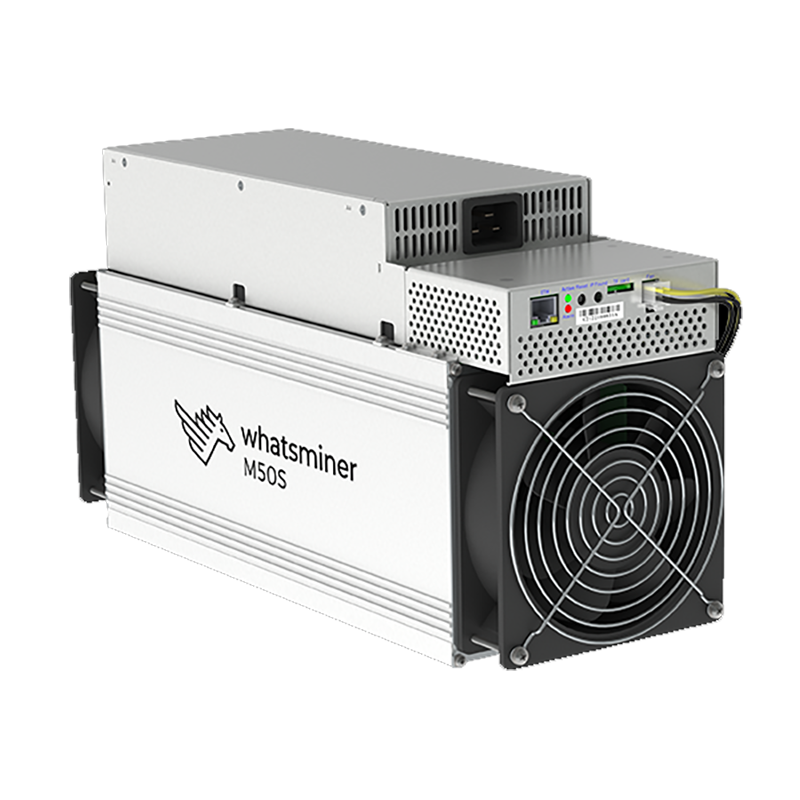
A crypto miner is the hardware and software that perform the work of mining. There are three common types of miners:
CPU/GPU rigs: Personal computers or graphic cards. Popular for certain coins and still common among hobbyists. GPUs are flexible and can mine different algorithms.
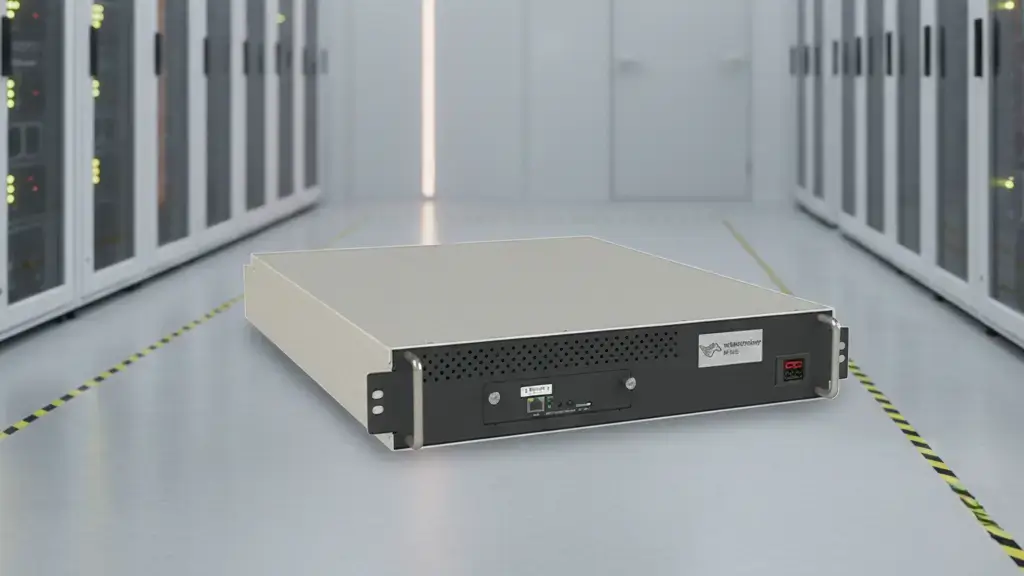
ASICs (Application-Specific Integrated Circuits): Purpose-built chips designed to mine a specific algorithm efficiently (for example, Bitcoin’s SHA-256). These are the choice for large-scale operations because of their power efficiency and hashing performance.
FPGA devices: Reprogrammable chips that can sit between GPU and ASIC in flexibility and efficiency.
A miner runs software that connects to the blockchain network (either solo or via a mining pool), receives a block template, repeatedly hashes candidate blocks, and submits solutions. When a valid solution is found, the miner (or pool) is rewarded — this is how miners earn crypto.
How do people mine crypto today?
There are several approaches:
Solo mining: You run a miner by yourself and try to find blocks independently. This offers full rewards when successful but has highly variable returns unless you have massive hashpower.
Pool mining: Most small and medium miners join pools. Pools combine many miners’ hashpower and share rewards proportionally. This smooths income and lowers variance.
Cloud mining: You rent hashpower from providers — no hardware to buy or maintain. It’s convenient but you must vet providers carefully to avoid scams or unprofitable contracts.
Staking (for proof-of-stake chains): Not technically mining, but similar economically. You lock (stake) tokens to help validate blocks and earn rewards. If you searched “what is crypto mines” you should know mining is specific to proof-of-work chains, while staking is the PoS alternative.
What you need to start mining
If you want to set up a small home or office rig, here are the basics:
Hardware: Choose GPU rigs for flexibility or an ASIC if you target a specific coin like Bitcoin. Consider upfront cost vs. efficiency.
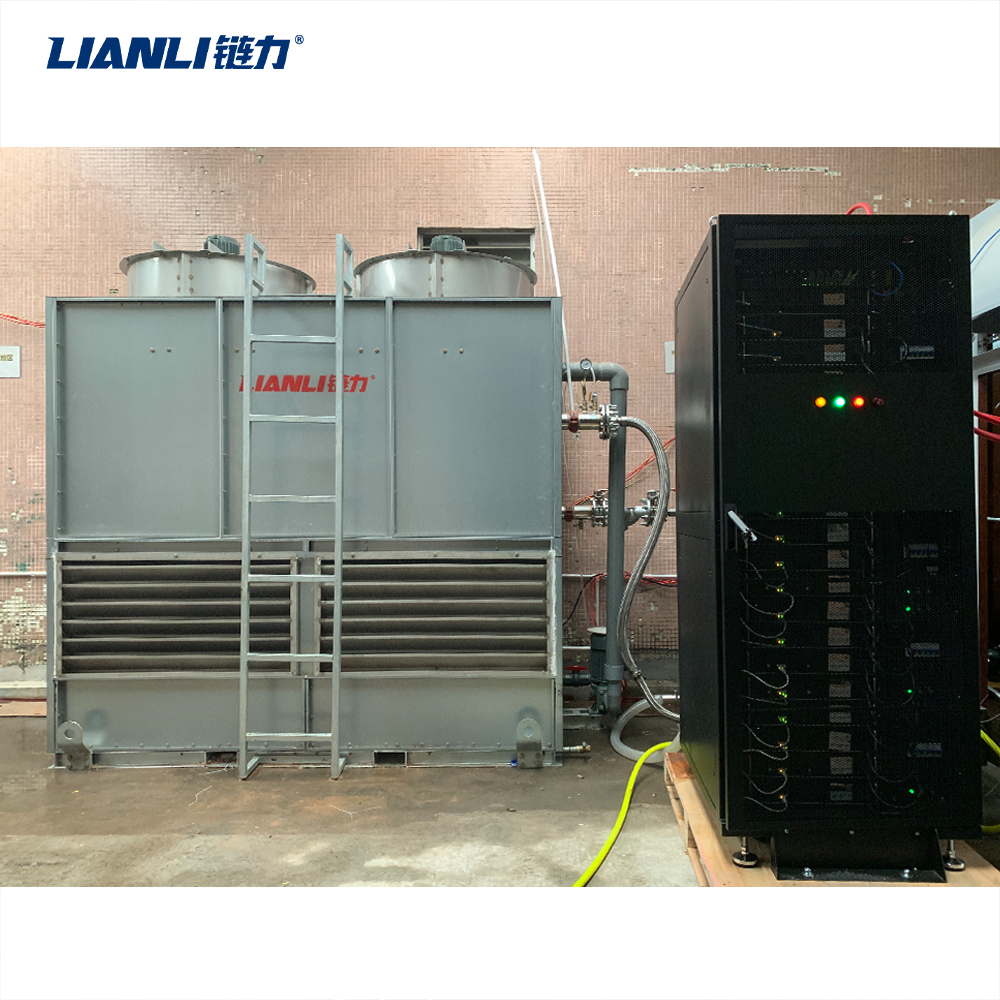
Power supply & cooling: Mining consumes lots of electricity and generates heat. A reliable PSU and effective cooling (fans, ventilation, or more advanced cooling) are essential.
Internet connection: Mining doesn’t need huge bandwidth, but uptime and low latency help, especially in pools.
Miner software & wallet: Software that runs the mining algorithm and a secure wallet to receive rewards.
Mining pool or solo config: Decide whether to join a pool.
Costs, profitability & environmental notes
Mining involves capital expenses (hardware) and ongoing operational costs (electricity, maintenance). Profitability depends on:
Cryptocurrency price and block rewards
Hashrate (how fast your miner works) and hardware efficiency
Electricity cost in your location
Mining difficulty (networks adjust difficulty as more miners join)
Because of electricity use and heat, mining raises environmental concerns. Many miners pursue greener options: using renewable energy, moving to cooler climates to reduce cooling needs, or participating in PoS networks where mining isn’t required.
Practical tips for beginners
Do the math first. Use a mining profitability calculator (enter hashpower, power draw, and electricity cost) to estimate returns.
Start small. Try a single GPU or a low-cost ASIC to learn the workflow before scaling up.
Join a reputable pool. Pools reduce reward variance. Read community reviews and check payout terms.
Secure your earnings. Use hardware wallets or reputable custodial services to store mined coins safely.
Watch rules and taxes. Mining income may be taxable in many jurisdictions — keep records of rewards and expenses.
Final thoughts
If you’ve asked “what is crypto mines” because you’re curious whether to become a miner, know that mining today ranges from solo hobby rigs to massive enterprise farms. A crypto miner can still offer profit, learning, and excitement — but only if you plan carefully, understand costs, and keep security and sustainability in mind. Whether your goal is to mine crypto as a hobby or a business, start small, calculate returns, and prioritize efficiency.