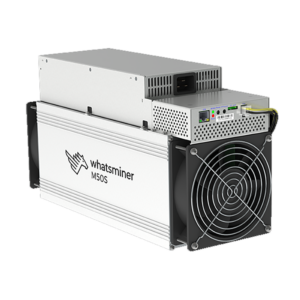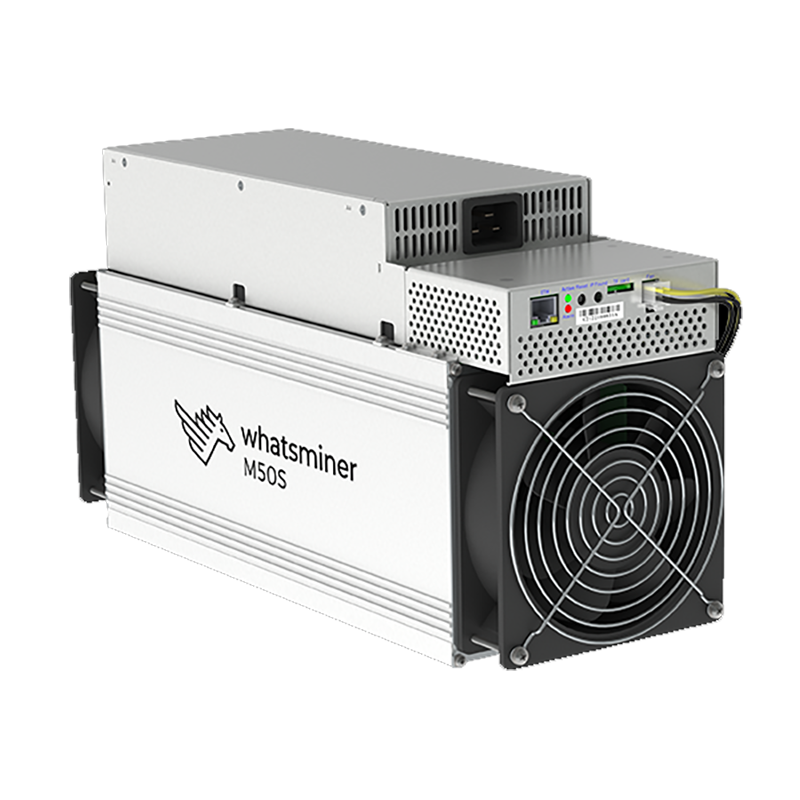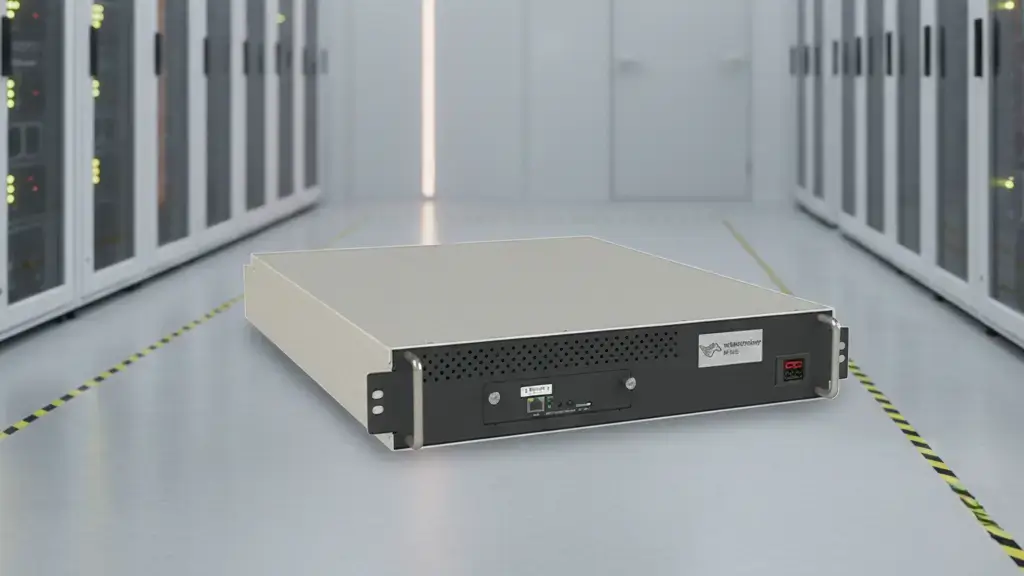
If you’ve been watching ASIC releases, you’ve probably seen the WhatsMiner M63 Hydro pop up in listings: a high-hashrate, hydro-cooled Bitcoin miner built for dense installations and pros who can provide three-phase power and a liquid cooling system. Below I summarise the real specs, explain what hydro cooling actually changes, and walk through what operators must know before buying or deploying one.
What it is — quick snapshot
Algorithm: SHA-256 (Bitcoin, BCH).
Hashrate (typical): about 334–366 TH/s depending on firmware/variant and tuning.
Power draw: roughly 6.6–7.3 kW (typical ratings around 6,700–7,300 W). This is large — expect three-phase requirements.
Efficiency: ~19.9–20 J/TH (varies by reported model and operating point).
Cooling: closed hydro-cooling design (no fans in the miner itself; heat removed via coolant loop). Official WhatsMiner hydro operation guides cover installation and maintenance.
Why hydro cooling matters
Hydro (liquid) cooling changes several operational factors:
Noise and dust: Hydro units are much quieter and better sealed than fan-cooled miners because there are fewer or no fans inside the miner. That makes them attractive for quieter facilities and dusty/hot environments.
Thermal density: Liquid cooling carries heat away more efficiently, so you can stack more hash per rack or cabinet without overheating the room air. That’s why hydro units are aimed at large farms or custom cabinets.
Infrastructure need: Hydro systems require a coolant loop (pumps, radiator/heat exchanger, filtration, expansion tanks, fittings), and careful fluid quality/maintenance. This isn’t a plug-and-play miner for hobbyists.
Real deployment checklist — before you buy
Three-phase power & electrical planning. The M63 needs industrial power (380–480V ranges are typical). Most home/small-shop power is incompatible without an upgrade. Confirm breaker, cabling, and distribution sizing with an electrician.
Cooling infrastructure. Budget for a closed coolant loop: pumps, heat exchangers, piping, filtration and a chemical-compatible coolant. WhatsMiner’s hydro operation guide details coolant specs and replacement intervals — follow that.
Space & mounting. These are 4U-style blade form factors designed for rack/cabinet mounting. Plan for service access and leak containment.
Power cost sensitivity. At ~6.7–7.3 kW per unit, electricity price is the single biggest ROI variable. Run profitability models with accurate local kWh and pool fee assumptions.
Warranty & sourcing. Buy from authorised distributors where possible and note warranty length and RMA procedures. Retailers often list slightly different hash/power pairings; confirm with MicroBT documentation.
Practical tips for operating M63 Hydro
Water quality & filtration: Use the recommended coolant type and keep inline filters cleaned. WhatsMiner guidance suggests periodic coolant testing and replacement to avoid corrosion, biofouling, and loss of performance.
Leak detection & containment: Build physical containment trays and install leak sensors near connections. A single leak in a dense rack is costly. (This is basic risk management; WhatsMiner emphasizes sealed connections in their hydro guide.)
Monitoring & firmware: Keep firmware and monitoring tools current. Hydro miners still expose watchdogs and chip telemetry via Ethernet — integrate them into your fleet monitoring so you catch power drift or chip errors early.
Spare parts & service plan: Have spare quick-disconnects, filters, and at least one spare pump or flow controller on hand; shipping delays for specialised parts kill uptime. (Good practice for any hydro facility.)
Test at low load first: Power up and monitor coolant return temps, flow, and leak points before full load. Ramp slowly and verify thermal stability.
Who should consider the M63 Hydro?
Large-scale miners and hosting providers who already run liquid loops or plan to build high-density cabinets.
Operators with access to low electricity costs and three-phase infrastructure.
Not a fit for casual/home miners — it’s bigger, louder (in ancillary equipment), and more complex to deploy than air-cooled desktop miners.
Short buyers’ comparison (M63 Hydro vs air-cooled equivalents)
Efficiency & density: Hydro tends to enable better thermal packing, lowering overall site cooling costs per TH.
CapEx & OpEx: Higher upfront for cooling loop and plumbing; OPEX savings depend on whether you can reclaim heat or reduce air-conditioning loads.
Maintenance model: Less fan/air dust maintenance but requires fluid handling and leak-management discipline.
Final take
The WhatsMiner M63 Hydro is a powerful option for operators who know they need scale and can commit to three-phase electrical + liquid-cooling infrastructure. It’s not a “plug-in and hope” unit — treat it like a small industrial machine: plan the power, plan the fluid loop, and plan for monitoring and spare parts. When deployed correctly, hydro solutions like the M63 can raise hash density and lower site-level cooling costs — but skipping careful planning is a fast way to lose uptime and money.
Short Tip:
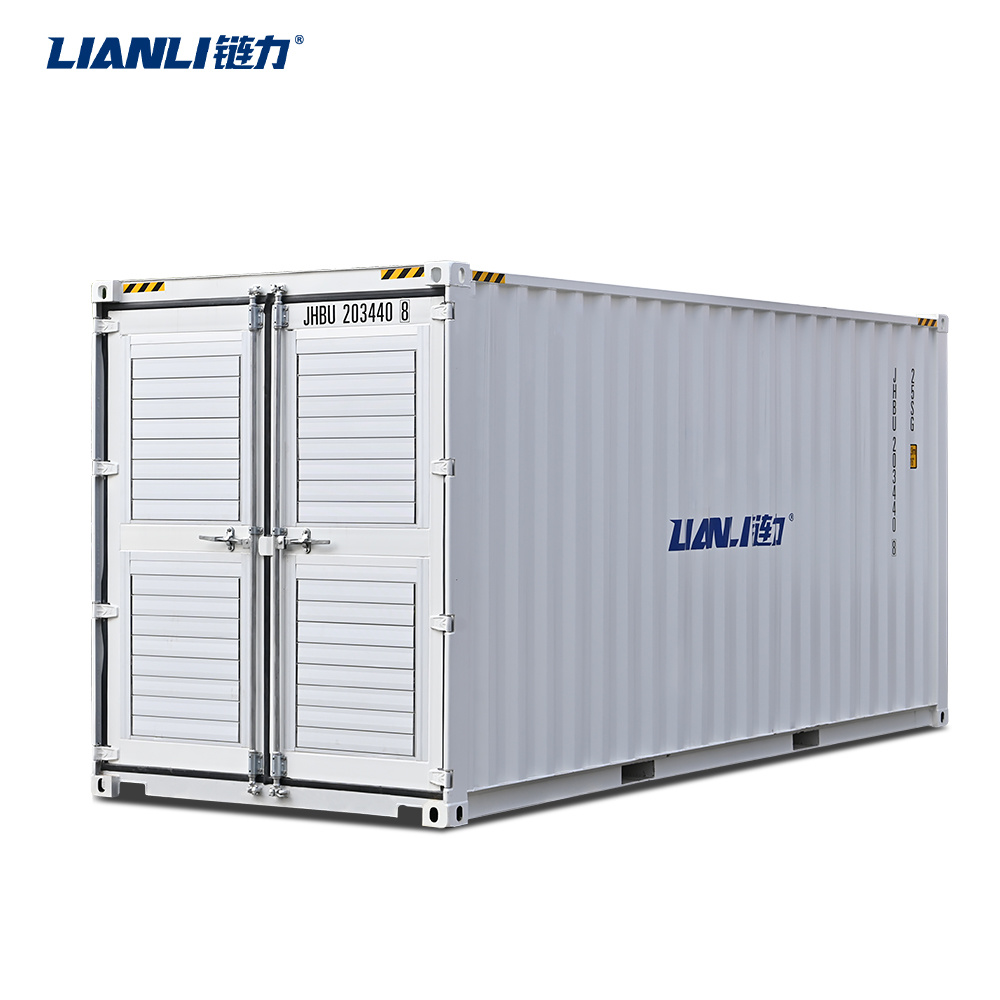
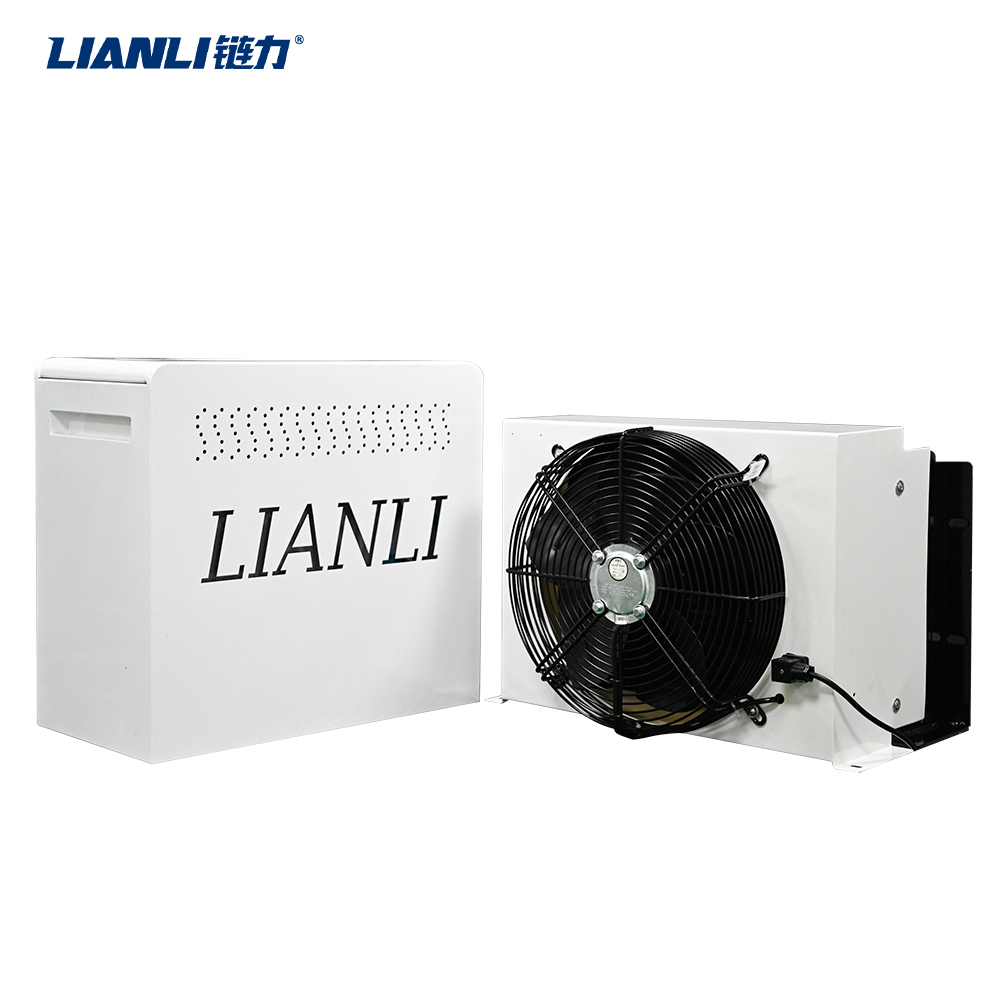
To get the most out of your Whatsminer M63 Hydro, don’t overlook cooling. Pair it with a reliable liquid or immersion cooling solution—like those offered by Lian Li—to keep temperatures stable, reduce noise, and extend your miner’s lifespan, whether you’re running a large farm or a home setup.